
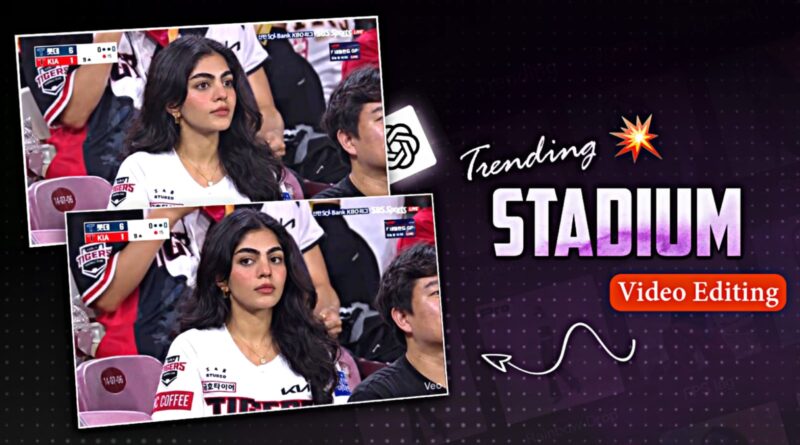
Trending Ai Stadium Video Editing Tutorial | Korean Baseball Broadcast Ai Trend – TATA IPL 2026
Artificial Intelligence (AI) has been reshaping the way sports are broadcasted, analyzed, and consumed by fans worldwide. The fusion of AI-driven video editing with live stadium experiences is now a global trend, and nowhere is this more evident than in Korean baseball broadcasts and the upcoming TATA IPL 2026. This article explores how AI is revolutionizing sports broadcasting, why Korean baseball has become a pioneer in this space, and how the Indian Premier League is adopting similar innovations to engage millions of cricket fans.
The Rise of AI in Sports BroadcastingAI video editing tools can automatically cut highlights, generate replays, and even add dynamic graphics in real time.Korean baseball broadcasters have been experimenting with AI-powered stadium visuals, where crowd reactions, player stats, and tactical breakdowns are seamlessly integrated into live feeds.The IPL, known for its entertainment-driven approach, is now embracing similar AI technologies to enhance fan engagement during matches.

IMAGE PROMPT:- Use the uploaded reference image as the strongest identity anchor. The woman must look like the exact same adult woman from the reference image, not just a similar Korean woman. Preserve her exact facial identity with high priority: same small oval face, same delicate jawline, same large clear eyes, same eye spacing, same eyelid shape, same straight nose, same sott muted pink lips, same pale clear skin tone, same refined calm expression, and same long black softly wavy hair. Create an ultra-realistic candid KBO baseball broadcast screenshot of the same woman accidentally caught by a live TV camera in the spectator seats. The team name is LG and F1 Her face should remain closer to the reference image than to a generic stadium fan. Do not change her into another person. Do not make her face wider, older, sharper, more westernized, or more idol-like. Keep the same delicate studio-portrait identity, but translated naturally into a real stadium environment. She is seated among a lively Korean baseball crowd, holding an iced drink and a cheering stick, wearing a clean white baseball jersey over a simple casual top. She notices the camera and gives a small natural smile sliahtlv surnrised but composed. Use a realistic far-distance broadcast camera look: telephoto compression, mild video softness, slight motion blur in the crowd, stadium lighting, natural skin texture, imperfect candid framing, 16:9 horizontal TV broadcast composition.
Video Prompt:- Realistic sports broadcast screenshot-style documentary photo set in the spectator stands of a Korean professional baseball game. Analyze an attached image and the person in the image is sitting in the stadium seats delicate facial features, and a surprised yet focused expression as his/her looks toward the field. the person wears a with a baseball team, [ºi 옷입 ] design jersey OUTPUT: horizontal 16:9 broadcast frame, realistic TV capture quality, NOT portrait orientation.
Korean Baseball Broadcast AI Trend Korean broadcasters have embraced AI not just as a tool but as a storytelling partner.Korean baseball uses AI to track every pitch, swing, and player movement.Fans receive personalized highlight packages, tailored to their favorite players or teams.Augmented reality (AR) overlays show live stats, strike zones, and even fan polls during broadcasts.AI commentary tools provide instant insights, trivia, and predictive analysis, making broadcasts more engaging.This approach has turned Korean baseball into a global case study for AI-driven sports entertainment.
The AI stadium video editing revolution is transforming sports broadcasting from a passive viewing experience into an interactive, immersive journey. Korean baseball has shown the world how AI can redefine fan engagement, and the TATA IPL 2026 is poised to take this innovation to new heights.As AI continues to evolve, fans can expect smarter, faster, and more personalized sports experiences that blur the line between reality and technology. The future of sports broadcasting is not just about watching—it’s about living the game in real time.